
Combustion Appliance Testing for Safety & Performance
Expert testing to ensure your fuel-burning appliances operate safely, efficiently, and reliably.
Reliable Combustion Appliance Testing by Local Experts
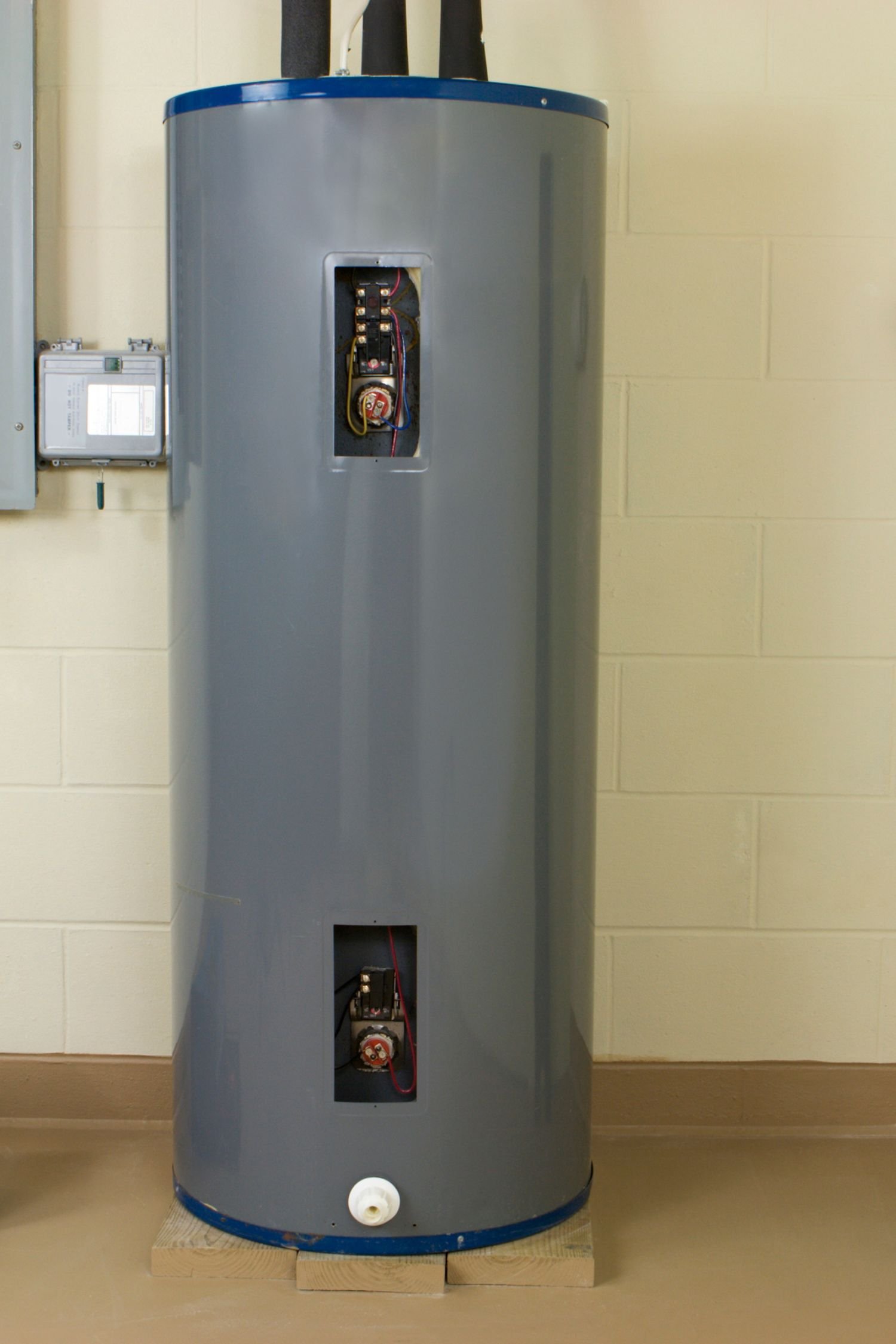
Combustion appliance testing (CAZ testing) is a safety evaluation of every fuel-burning appliance in your home — furnaces, water heaters, gas fireplaces, and boilers. We measure whether these appliances are drafting correctly, burning efficiently, and venting combustion gases safely outside your home rather than spilling them into your living space.
Carbon monoxide and other combustion byproducts are invisible and odorless in many cases, and backdrafting is more common than most homeowners realize, particularly in tightly sealed homes or after insulation and air sealing upgrades. This test tells you whether your family is safe.
What's included:
Individual draft and spillage testing on every combustion appliance in the home under worst-case depressurization conditions
Gas leak detection at all accessible supply lines, valves, and connections
Carbon monoxide measurement at the appliance flue and in ambient room air
Written report documenting results, any safety concerns identified, and recommended next steps
Our Process
Setup
We establish worst-case conditions by running exhaust fans and closing interior doors to simulate maximum depressurization.
Test
We measure draft, spillage, and CO levels on each combustion appliance individually.
Detect
We scan all accessible gas lines and connections for leaks using calibrated detection equipment.
Report
We document every finding and walk you through what's safe, what needs attention, and why.
The Long-Term Benefits
Protect your family and optimize your home’s heating systems with expert testing.
Protects your household from carbon monoxide exposure
Identifies drafting and venting issues before they become dangerous
Provides documentation that may be required for energy efficiency rebate programs
Common Questions
Everything you need to know about Combustion Appliance Testing
When should I get combustion appliance testing done?
We recommend testing any time you make changes that affect your home’s air pressure — adding insulation, air sealing, installing a new range hood or bathroom exhaust fan, or replacing windows. It’s also a smart annual safety check if you have older gas appliances. If you’ve never had it done, that alone is a good reason to schedule it.
What is backdrafting and why is it dangerous?
Backdrafting happens when combustion gases that should exit through your flue or chimney are instead pulled back into the house. This usually occurs when exhaust fans, dryers, or other appliances create negative pressure inside the home. The result is carbon monoxide and other combustion byproducts circulating in your living space. It’s one of the most common issues we find during testing in Southeast Idaho homes.
Is this the same as a carbon monoxide detector?
No. A CO detector alerts you after carbon monoxide has already reached a dangerous concentration in your home. Combustion appliance testing identifies the conditions that could cause CO exposure before it happens. Think of it as prevention versus emergency response — you want both, but testing catches problems that a detector alone never will.
How long does the testing take?
For a typical home with a furnace and water heater, testing takes about an hour. Homes with additional appliances like gas fireplaces, boilers, or multiple water heaters may take longer. We don’t rush it — every appliance gets individually tested under worst-case conditions.
Will this test tell me if my furnace needs replacing?
It will tell you whether your furnace is operating safely and drafting correctly. If we find elevated CO levels, persistent spillage, or cracked heat exchangers, those are strong indicators that repair or replacement should be a priority. We’ll give you the data and explain what it means so you can make an informed decision.